Hazrat

Watch live streaming video from qaderitv at livestream.com

Monday, November 22, 2010

Causes of Mesothelioma


The main cause that can generally cause Mesothelioma is Asbestosis, which are fibers ranging from 50 microns or more in length and less than 0.5 microns in its width. The inhalation of such fibers generally results in Asbestosis.

The airflow supports its movement which makes its move in a longitudinal direction in the air. The asbestosis can penetrate respiratory walls as well.


Main Sources of Asbestos: The following are the main sources that can cause the asbestosis:

  • ·Mining of Asbestos
  • Asbestos Milling
  • Construction Factory
  • Textile Industries
  • Fire Proofing Industries
  • Paint Industry
  • Plastic Industry
  • Hardwares for Automobiles Industry (Brakes and Clutch)

Asbestosis is generally not confined to the people working in such industries. Their families are equally prone to this disease as well since they get exposed up to the fibrous dust coming out of the person’s clothing’s working in such factories.


The asbestos related diseases can develop in any general public if they are exposed to fibrous dust or wastes coming across from asbestos plants in the proximity of their residence. Typical residents exposure to such types of fibers is quite low, though and generally don’t relate to any diseases associated with asbestos.


Once the Asbestos fibers get inside their body, they get trapped in the form of brown colored scabbard, having rich density of iron, the asbestos bodies, which are generally found in the tissues of sputum and lungs. Then this leads to the formation of interstitial fibrosis in the lower zone of lungs sourcing to massive demolishing changes in pleurae and lung parenchyma.


Always keep yourself safe by learning how you can evade such diseases cropping up from asbestosis. Keep alert, keep fit and stay healthy. God Bless.

Diseases Associated with Asbestos

Dallas, TX: Although it was once commonly used for insulating buildings and machinery, the use of asbestos has declined sharply over the last several decades as people became more aware of the serious health consequences associated with asbestos exposure.

However, due to the widespread use of asbestos in the 20th century and the length of time it sometimes takes after exposure for a person to develop an asbestos-related disease, many people who were exposed to asbestos decades ago are only beginning to show symptoms of a serious and potentially fatal illness.

One of the most deadly diseases associated with asbestos exposure is mesothelioma. Mesothelioma is a rare form of cancer which can occur in the lining of the lungs, heart or abdomen. Some of the most common mesothelioma symptoms include severe chest pains, shortness of breath and a persistent cough.

Individuals who have manufactured, installed or worked with products containing asbestos are at a much greater risk of developing mesothelioma symptoms. People who live close to asbestos mining areas, factories that make asbestos products or shipyards where asbestos is used may also be at risk of receiving a mesothelioma diagnosis. In some cases, the relatives of workers who accidentally carried asbestos fibers home with them on their work clothes have also been diagnosed with mesothelioma.

Patients who have suffered asbestos exposure may take up to 50 years before they begin to show the first signs of mesothelioma. But in spite of its long gestation period, there is no known cure for malignant mesothelioma and the disease is almost always fatal.

Most patients who receive a mesothelioma diagnosis survive for an average of one to five years. The prognosis for each patient depends on the tumor's size and stage, the type of cells and whether or not mesothelioma treatments are effective at treating the disease.

The greatest number of deaths related to asbestos exposure are the result of lung cancer. The rate of lung cancer cases in workers who are directly involved in the mining of asbestos, or in the manufacturing or installation of asbestos-containing products, is much higher than for the general population. It is not necessary for a person to have smoked cigarettes in order to develop lung cancer as a result of asbestos exposure.

The most common lung cancer symptoms for people who have been exposed to asbestos include coughing and breathing changes. Other symptoms include persistent chest pains, shortness of breath, hoarseness and anemia.

Individuals who have worked or lived around asbestos may also develop asbestosis or silicosis. Asbestosis and silicosis are serious respiratory diseases that can be caused by exposure to asbestos or silica. Inhaled asbestos fibers and silica dust aggravate lung tissue, causing scarring which may eventually lead to these diseases.

The most common asbestosis symptoms include shortness of breath and a dry, crackling sound in the lungs when a person inhales. In its most advanced stages, asbestosis may also contribute to cardiac failure.

In some cases, an individual who has developed asbestosis or silicosis may experience no noticeable symptoms. Currently, there are no effective treatments to reverse the scarring in lung tissue caused by inhaling asbestos or silica. These diseases can be extremely disabling or, in the most serious cases, even fatal.

National Mesothelioma Cancer Awareness Day- September 26th

Meso is a Rare Form of Cancer Caused by Asbestos Exposure. While It's Survival Rate is Dismal, More People Should Become Aware of This Form of Cancer.

September 26th is National Meso (mesothelioma) Awareness Day. Begun by the Meso Foundation, this day is dedicated to raise awareness of the problems, symptoms, and need for research into mesothelioma, one of the lesser-known forms of cancer.


In simplest terms, the tissues that line our lungs, heart, stomach and other organs are called "mesothelium." When these cells develop cancer, it's called mesothelioma, or meso for short. Meso is very painful because as the cancer cells grow, they crush the lungs. A person with mensothelioma may eventually be suffocated so that breathing is painful, or the heart or other organs can be crushed as the cancer grows. Most people who are diagnosed with meso die within 4 to 14 months.


Meso is caused by asbestos exposure. It can take years (30, 40, or even 50 years) to develop. According to the Meso Foundation, the U.S. EPA identified asbestos as," one of the most hazardous substances to which humans are exposed in both occupational and non-occupational settings."


The Navy, shipyard workers, household products, and many appliances, residential and commercial construction have all used asbestos. It's still around and in many schools, homes, and businesses. Even small exposure to asbestos particles can cause meso. Although the air was declared "safe" after 9/11, rescue workers and first-responders may have been exposed to high amounts of particulates in the air, including asbestos. Some people estimate that at least 400 tons of asbestos was released into the air in New York after the towers collapsed on 9/11.


The EPA estimates that over 20 million American workers have been exposed to asbestos particles. Every year approximately 3,000 people are diagnosed with mesothelioma. While it's still a rare form of cancer, it is expected to affect more people since it takes so long to develop and so many, many people have been exposed to asbestos in recent years.

According to the Meso Foundation, treatments for mesothelioma were largely ignored. While asbestos was known to be a carcinogenic, businesses were allowed to continue using it. Developing treatments for meso were ignored, perhaps because of potential legal minefields.

With a myriad of reasons behind it, the bottom line is that funding for research into treating meso has lagged far behind that of other forms of cancer. The Meso Foundation hopes to change this by drawing awareness to this rare, but painful, form of cancer. Todays treatment consistes of chemotherapy and radiation.


There is a growing need to understand more about meso. It can be difficult to diagnose and is regularly missed. Once a meso diagnosis is finally made, survival rates are bleak.


Actor Steve McQueen died of meso only 11 months after his diagnosis in 1980. In 2003, singer-songwriter Warren Zevon was also diagnosed with meso. He died one year after being diagnosed with it. The treatment of meso has not changed much since 1980.

Mesothelioma sufferer pioneers new hope


Leigh Carlisle, a 27-year-old cancer sufferer who is pioneering new treatment for a deadly asbestos-related form of the illness, mesothelioma, is beginning to beat the disease.

Leigh, who is believed to be the country’s youngest sufferer, has been taking part in clinical trials at Manchester’s Christie Hospital.

Leigh may have contracted the disease after she took a short-cut through a Failsworth factory yard, where asbestos was cut, when she was a schoolgirl.

She may also have breathed in the fibres from clothes of a relative who worked there.

Leigh was diagnosed with the condition, which affects her abdomen, in 2006.

Her treatment includes a drug which knocks out a tumour’s resistance so chemotherapy has a better chance of working.

To Leigh’s delight, doctors told her last week that her lungs and stomach are clear of cancer cells, her lymph nodes have returned to near-normal and the tumours in her abdomen have broken down significantly.

Leigh said: "I was overjoyed at being told there had finally been a breakthrough with my clinical trial for Mesothelioma. I have been scared and often faced doubted that treatment wouldn't prove effective, but my consultant and nursing team at 'The Christie' always provided optimism and great support. I know I have some way to go, but the news on my progress is fantastic and I'm looking forward to getting my energy back during my break from treatment now!"

Leigh's solicitor, Geraldine Coombs, said to Rochdale Online: "I am really pleased for Leigh that she has had such good news about her cancer treatment. The results of the trial sound very exciting. Mesothelioma does not usually respond well to treatment and the trial may give hope to others suffering with mesothelioma. 2,000 people every year in this country are diagnosed with mesothelioma.

"Leigh has been through a very hard time with this illness. Despite that she has been working hard to raise awareness about the dangers of asbestos and raising money for cancer charities which is a great credit to her and does not surprise me having got to know Leigh.

"Asbestos is not a problem that is ‘in the past.’ People are still coming into contact with asbestos today around the world. The campaign in Rochdale to push for the risks of environmental contamination by asbestos is very important."

Save Spodden Valley spokesman Jason Addy commented: "I met Leigh earlier this year. She is an incredible person with a positive outlook on life. To contract this illness at such a young age is a particularly cruel blow. I am sure many will join in our prayers and best wishes for her health.

"It is a stark reminder of how low levels of exposure to asbestos fibre may be so dangerous. That is why it is important that safe, open and accountable decisions are made about the former TBA site.

"Mesothelioma takes decades after exposure to asbestos before its symptoms are presented.

"The late Abdul Chowdry, T&N's former Health & Safety manager, suggested on Radio 4 that disturbing soil on the TBA site could 'unearth a monster'. That certainly was an emotive choice of language from the then serving UK Health and Safety Commissioner.

"As the Independent Atkins Report has acknowledged, there is huge potential for gross contamination of the site.

"We all owe a debt to future generations of Rochdalians to ensure that the Spodden Valley becomes a safe amenity for all.

"When you see Leigh and read about what she has faced this year, it really does bring it home to everyone in Rochdale how important it is to get things right in Spodden Valley."

Mesothelioma drug listed on PBS


SUFFERERS of the asbestos-linked disease mesothelioma will have access to cheap treatment from today, after a long campaign to secure federal government subsidy paid off.

The government says the chemotherapy agent Alimta - the only treatment available specifically for the killer cancer of the lung or stomach lining - will be listed on the Pharmaceutical Benefits Scheme (PBS) from today.

Health Minister Nicola Roxon said the listing of Alimta was an important announcement that followed the "tireless campaigning" of Bernie Banton, who died, aged 61, in November from the disease.

"Bernie was a great Australian hero and it is due to his efforts that many people will understand the significance of this decision," she said.

About 600 Australians are diagnosed annually with mesothelioma, but the long lag time between exposure to asbestos and the onset of symptoms means its prevalence is tipped to rise in the future.

Medical studies have estimated 18,000 people will have become victims of the disease by 2020.

Alimta, which can increase survival time and improve a sufferer's quality of life, has been out of reach for many patients at $20,000 or more for six treatments.

From today, sufferers will pay a maximum of $31.30 for each prescription. Eligible concession-patients will pay $5 for each prescription.

The subsidy will cost the government about $26 million annually and is expected to benefit about 300 people a year.

The listing of the drug became an election issue after Mr Banton criticised then health minister Tony Abbott for failing to personally receive a 17,000-signature petition brought to his Sydney electoral office in October.

Mr Abbott was forced into an embarrassing apology after questioning whether the dying campaigner's motives for speaking out were "pure of heart".

A week later, a government-appointed board recommended the drug be added to the PBS after three times rejecting its listing since 2004.

Mr Abbott bypassed the normal process of cabinet approval by immediately announcing the drug's listing.

Until now, only about half of Australians suffering mesothelioma were getting easy access to the palliative care drug through state government subsidy and workplace compensation schemes.

Mesothelioma Symposium to be Held in Washington, D.C.


The 2009 International Symposium on Malignant Mesothelioma will be held Thursday, June 25 through Saturday, June 27 in Washington, D.C. at the Omni Shoreham Hotel. The event is organized by the Mesothelioma Applied Research Foundation and will feature international mesothelioma experts, patients, advocates and caregivers.

The specialists participating in the three-day symposium will update attendees on the latest developments in treatment, research and clinical trials and each day covers a different topic.

Day one focuses on advocacy, noting the importance of communicating with federal leaders about the need for funding for mesothelioma research and the banning of asbestos use. The topic for day two is “Renewing the Spirit,” and will address support issues. The day also includes a series of roundtable discussions about a variety of topics ranging from nutrition to pain management. Day three will cover treatment.

The Celebration of Hope gala dinner will be held Friday evening to honor patients living with mesothelioma. Three annual awards will be given acknowledging a political leader, contributions made by a research company toward new mesothelioma treatment options and volunteer efforts by mesothelioma community members.

A tribute ceremony will be held the morning of the dinner to remember those who have passed away from mesothelioma. Attendees may submit a photograph and the name of a lost loved one for use on a tribute wall and in a picture collage during the ceremony.

“This conference is for everyone – patients, caregivers and family members, those who have lost a loved one, volunteers, advocates, and medical and scientific experts. Everyone struggling with this disease and everyone who cares about the mission to cure it will gain valuable medical information, coping skills, support, new friendships, and opportunities to make a real impact in the mission,” said the Mesothelioma Applied Research Foundation’s welcome letter for the symposium.

The Mesothelioma Applied Research Foundation is a national non-profit organization dedicated to finding a cure for mesothelioma through funding research, providing patient support services and participating in federal mesothelioma advocacy. Registration for the symposium may be completed at www.curemeso.org.

How is a Mesothelioma Diagnosis Determined?

If you've been exposed to asbestos and suspect that you may have asbestosis or mesothelioma, it's very important that you see a doctor who has experience dealing with asbestos related diseases as soon as possible. The doctor will determine a mesothelioma diagnosis by taking a full medical history and performing a series of diagnostic tests.

One of the reasons that mesothelioma is so deadly is that it is often not diagnosed until it has reached late stage malignancy. New tests and more sensitive instruments have made it possible to get a mesothelioma diagnosis earlier in the progress of the disease. As with most types of cancer, the earlier that it's caught, the more treatment options you'll have. The sooner you have a mesothelioma diagnosis, the sooner treatment can begin. Here's what you can expect if you see a doctor to pursue a mesothelioma diagnosis.

Medical History
The doctor or a nurse will take a complete medical history to determine the symptoms you're experiencing and discover any risk factors. The history will include questions about when and where you might have been exposed to asbestos in the past. Among the symptoms the doctor will be looking for are frequent, painful cough, difficulty breathing and a history of lung function problems like pneumonia, emphysema and bronchitis.

Physical Examination
The doctor will also do a physical examination to discover any symptoms of mesothelioma. The examination will include listening to your breathing and heartbeat, as well as feeling (palpating) your abdomen. Patients with mesothelioma often have fluid buildups, known as effusions, in the tissues and cavities around the heart, lungs or in the abdomen.

X-rays and Imaging Tests
The next step in making a mesothelioma diagnosis is usually a series of chest X-rays. The X-rays may show any thickening of the lung tissues, irregularities in and around the lungs and mineral deposits or calcifications on the lung or pleural tissues. X-rays will also show any fluid buildup around or in the lungs. Any of these can suggest a mesothelioma diagnosis.

The doctor may then order other imaging tests, specifically CT scans and MRI scans. Together, the CT and MRI can help doctors to locate any lesions or tumors, and determine the extent and stage of the cancer. The imaging tests will tell the doctors what they need to know to suggest a course of treatment or further diagnostic testing.

Tissue and Fluid Samples
Your doctor may also want to take samples of fluid from around your lungs, heart or abdomen to determine if there are cancerous cells in it. This is usually done by inserting a needle into your chest cavity and withdrawing a small amount of the fluid for testing. The doctor may also recommend doing this to relieve uncomfortable pressure on the lungs and make breathing easier.

If the X-rays or other images show abnormal areas, your doctor may also want to take a tissue sample to examine for cancerous cells. Getting a sample for biopsy used to invariably involve surgery, but newer methods and equipment make it possible to obtain tissue samples without actually opening your chest. Only your doctor can determine if these methods will be appropriate in your case.

A thoracoscopy is performed with the help of an instrument called a thoracoscope - a telescope like instrument connected to a video camera. The doctor will make a small incision in your chest and insert the thorascoscope through it into your chest cavity. The video camera will allow the doctor to view and examine the tumor without opening your entire chest. He or she can then use a small, specially designed forceps to collect tissue from the tumor for testing. Doctors may also use the occasion of a thoracoscopy to remove fluid surrounding the lungs or pericardium.

Two other methods use similar instruments to obtain tissue samples and view close-ups of tumors and tissue. In a bronchoscopy, the doctor will insert a flexible, lighted tube through your mouth and thread it down through your trachea into the bronchia to find any masses or growths that may indicate pleural mesothelioma. Mediastinoscopy uses a lighted tube that is inserted beneath the sternum and into the chest cavity to view the lymph nodes in that area and examine them for growths abnormal appearance. In both of those procedures, doctors can remove tissue samples for testing.

Surgery is the most invasive method used in determining a mesothelioma diagnosis, but is sometimes the only way to remove a larger sample of the tumor. In some cases, if the cancer is still localized enough, the doctors may remove the entire tumor.

LegalView Blog Informs Readers of New Mesothelioma Cancer Treatment Center Being Built to Aid Mesothelioma Cancer Victims


LegalView.com offers readers several mesothelioma resources including its continually updated mesothelioma blog. A recent blog post regarding mesothelioma offered readers an inside into a new mesothelioma treatment center that is to be built in Australia.

Denver, CO (PRWEB) December 23, 2007 -- LegalView, the number one source for everything legal on the Internet, recently updated its mesothelioma legal blog to inform readers and sufferers of mesothelioma about a new mesothelioma treatment center that will be built. The new center is scheduled to be open in a year, but, according to news reports, the treatment center's first goal is to ensure that every mesothelioma cancer victim will be able to access treatments available at the center.

Mesothelioma is a deadly and rare form of cancer that is inevitably incurable at the moment. While research continues to lengthen a victim's life as well as to ease the pain the cancer causes, there is still no way to 100 percent treat the cancer. Mesothelioma is usually caused by exposure to asbestos fibers that are breathed into the lung and essentially crystallize causing the development of cancer cells on the lining of the lung. It is typical that mesothelioma occurs anywhere from 10 to 40 years after initial exposure to asbestos. Many are currently being diagnosed with the cancer because of years of negligence by companies who knowingly endangered employees by exposing them to the deadly dust. If you or anyone you know has developed mesothelioma cancer, it may be in your best interest to contact a mesotehlioma law firm for more information.

The new mesothelioma treatment center is being built in honor of a local Sydney man who recently passed away. Bernie Benton was exposed to asbestos and began helping others dealing with the same plight. The mesothelioma treatment center will be one of the world's first asbestos research centers that focuses only on mesothelioma. Those suffering from mesothelioma cancer can find more information on this and other mesothelioma treatments at the mesothelioma information portal.

In addition to information regarding mesothelioma, LegalView.com also offers resources on several additional legal issues that are tragically affecting individuals throughout the country everyday. Readers will be able to find a traumatic brain injury law firm who specializes in helping brain injury victims with consultations and attorney referral services. Individuals who have suffered from a construction accident injury or an auto accident can find information on finding a construction accident attorney or auto accident lawyer through LegalView as well.

Boston Lawyer Michael Shepard Taking Mesothelioma, Personal Injury, Asbestos Cases

Seeking compensation for injury caused by asbestos exposure is now easy. A mesothelioma lawyer who started with his mesothelioma cancer law practice in Boston now brings his services to Vermont, New Hampshire and Rhode Island. People who are suffering from mesothelioma and other asbestos related injuries that have affected their health and wellbeing can rely on Michael Shepard to fight for their rights and help them in claiming compensation.

Michael Shepard has an established reputation of being a compassionate attorney who, along with mesothelioma and asbestos related injuries, also helps people in their pain and suffering arising out of injuries inflicted to them due to the faults of others. If people are injured due to exposure to toxic chemicals, product defects, nursing home negligence, silica, talc, welding fumes automotive or aviation accidents, they should contact the attorneys office to seek guidance for obtaining compensation for the injury caused.

In his website, the mesothelioma cancer lawyer acknowledges that the time of the injured is precious and says “We know our clients want the freedom to see family and friends whenever they choose. We also know that because of their condition, they don’t want to be bogged down in legal matters. Through years of experience in this field, we have developed a streamlined approach to handling asbestos-related litigation that lessens the amount of time our clients spend dealing with lawyers and the courts. After a client’s brief, free, one-on-one consultation with us, we take the matter into our own hands, independently investigating the specific facts of the case, collecting crucial evidence and confronting the people who are responsible for your illness or injury. We make every effort to transform our clients’ “good” case into a “great” case that may secure the maximum compensation deserved.”

Whether the injured is in Boston, Vermont, New Hampshire or Rhode Island, Boston Mesothelioma cancer lawyers are ready to look into the case and assess the maximum compensation during the first free one to one consultation.


International Symposium on Malignant Mesothelioma coming to Town


The 2009 International Symposium on Malignant Mesothelioma has now been scheduled for the end of June. The event, which is organised by the Mesothelioma Applied Research Foundation (Meso Foundation) is set to be held in Washington DC from the 25th June until 27th June.

The event will be an interesting one that will involve raising awareness about asbestos related disease as well as looking at research and discussing the latest findings. A number of industry experts will be attending the event to provide details on various clinical trials, treatment, and research.

In addition to this many others will also be at the event, including sufferers of the asbestos related cancer, campaigners, advocates, and those that provide care for sufferers of mesothelioma. The event will take place at the Omni Shoreham Hotel, in Washington, DC.

Following the event the foundation will honor those that are living with the disease, and will also give out the three annual awards that it gives for political support, research contributions, and community support.

Malignant mesothelioma risk increased after radiation treatment for HL


Patients with Hodgkin’s lymphoma who have been treated with radiation may be at an increased risk for malignant mesothelioma.

Although malignant mesothelioma is relatively uncommon, previous research indicated it may be associated with radiation exposure.

Results of several recent epidemiological studies showed that radiation for lymphoma may be linked with an increased risk for malignant mesothelioma. However, these studies involved only a small number of patients and the results needed to be confirmed in larger studies.

For this study, the researchers examined risk for malignant mesothelioma in 2,567 patients who had reached at least five-year survival after treatment for Hodgkin’s lymphoma.

Patients included in the study had been treated with radiation alone, chemotherapy alone or a combination of both.

Median follow-up period was 18.1 years. At this time, 13 patients had malignant mesothelioma at least five years after being treated for Hodgkin’s lymphoma.

Five-year survivors of Hodgkin’s lymphoma were about 26 times more likely than the general population to develop malignant mesothelioma, according to the results. Those treated with radiation alone were about 30 times more likely to develop malignant mesothelioma.

There were no cases of the disease among the 232 patients treated with chemotherapy alone, but patients treated with both radiation and chemotherapy were almost 44 times more likely to develop malignant mesothelioma.

Mesothelioma and Early Lung Cancer Identified by Screening


sing computed tomography scans to screen former asbestos workers can detect both early and late-stage lung cancer and late-stage mesothelioma, according to a study in the May Journal of Thoracic Oncology. However, it’s still not clear whether screening for these cancers might improve patients’ prognoses.

Exposure to asbestos fibers is a known risk factor for lung cancer and the cause of mesothelioma. Although asbestos is still not completely banned in the U.S., it was phased out of American industry to a large degree beginning in the 1970s. However because asbestos-related diseases can take 20 to 40 years to emerge after people have been exposed, former asbestos workers and those exposed to products containing this carcinogen continue to be diagnosed with asbestos caused cancers.

As researchers search for better treatments and even a cure for these diseases, they are also focusing on new diagnostic methods that might identify the cancers earlier. Early diagnosis is particularly crucial with mesothelioma, because many patients survive only one year after they first start to show signs, and symptoms are often difficult to distinguish from those of other lung diseases.

One potential screening method uses low-dose computed tomography (LDCT) to evaluate the lungs and their lining (pleura). LDCT can locate plaques in the lungs, which are a sign of asbestos exposure and have been linked to an increased cancer risk.

Currently, there are no recommendations about using LDCT or any other method to screen people who have been exposed to asbestos, and screening isn’t routinely done. “There are currently no methods for the early detection of mesothelioma available,” says lead author Heidi Roberts, MD, Associate Professor of Radiology at the University of Toronto. “This is why we are doing the research.”

To determine the effectiveness of LDCT as a screening tool for asbestos-related lung cancers, Dr. Roberts and her colleagues recruited 516 people (most of them men) who had been exposed to asbestos at least 20 years before, or who had known plaques. Participants were given LDCT scans of the chest. Patients who had abnormal scans were given follow-up tests. Those with normal test results were invited to have an annual LDCT scan.

Of the 516 participants, 357 had evidence of plaques. Based on the results of the first scan and annual scans, six of the patients were diagnosed with lung cancers and four were diagnosed with mesothelioma.

Although LDCT was able to detect advanced mesothelioma, as well as early- and late-stage lung cancers, it was not able to diagnose early mesothelioma. The study authors say they need to continue screening patients to help them get a better idea of what early mesothelioma looks like. Also, they say adding biomarkers (substances in the blood that indicate the presence of cancer) to the screening process may provide greater sensitivity to help diagnose those at very high risk for mesothelioma.

Even as techniques are fine-tuned, screening is just one step of a three-tiered effort to combat these cancers, according to Dr. Roberts. “The second step is the parallel development of biomarkers, and the third step is the parallel development of treatment strategies,” she says. “These have to be developed hand-in-hand in order to make this a useful and meaningful tool.”

Mesothelioma


Mesothelioma, more precisely malignant mesothelioma, is a rare form of cancer that develops from the protective lining that covers many of the body's internal organs, the mesothelium. It is usually caused by exposure to asbestos.[1]

Its most common site is the pleura (outer lining of the lungs and internal chest wall), but it may also occur in the peritoneum (the lining of the abdominal cavity), the heart,[2] the pericardium (a sac that surrounds the heart) or tunica vaginalis.

Most people who develop mesothelioma have worked on jobs where they inhaled asbestos particles, or they have been exposed to asbestos dust and fiber in other ways. It has also been suggested that washing the clothes of a family member who worked with asbestos can put a person at risk for developing mesothelioma.[3] Unlike lung cancer, there is no association between mesothelioma and smoking, but smoking greatly increases the risk of other asbestos-induced cancers.[4] Compensation via asbestos funds or lawsuits is an important issue in mesothelioma (see asbestos and the law).

The symptoms of mesothelioma include shortness of breath due to pleural effusion (fluid between the lung and the chest wall) or chest wall pain, and general symptoms such as weight loss. The diagnosis may be suspected with chest X-ray and CT scan, and is confirmed with a biopsy (tissue sample) and microscopic examination. A thoracoscopy (inserting a tube with a camera into the chest) can be used to take biopsies. It allows the introduction of substances such as talc to obliterate the pleural space (called pleurodesis), which prevents more fluid from accumulating and pressing on the lung. Despite treatment with chemotherapy, radiation therapy or sometimes surgery, the disease carries a poor prognosis. Research about screening tests for the early detection of mesothelioma is ongoing.

MESOTHELIOMA STAGES

Doctor-Patient Communication

An open line of communication between a patient and his or her physician is vital when dealing with a serious disease such as mesothelioma. There will be many questions regarding treatment, whether palliative or aggressive, choices to deal with, and life issues to confront. Being informed and proactive in your care will give you a sense of empowerment.

Although most physicians have limited time to spend with each patient at appointments, it is important to address issues as they occur and resolve them to the satisfaction of all parties involved. Initially, this may mean going to your appointment with a list of symptoms or concerns, or questions regarding specific tests that are recommended. Once mesothelioma has been diagnosed, you may have questions regarding treatment options.

Most questions from patients stem from an initial diagnosis of mesothelioma and subsequent treatment options. Following are some frequently asked questions regarding these two important issues.

What Is My Diagnosis?

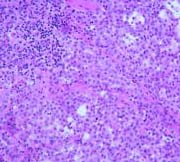
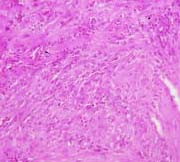
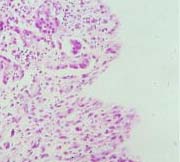
There are three types of mesothelioma. Pleural mesothelioma is a cancer of the lining of the lung (pleura), peritoneal mesothelioma is a cancer of the lining of the abdominal cavity (peritoneum), and pericardial mesothelioma is a cancer of the lining surrounding the heart (pericardium). Sub-types (or cell types) of mesothelioma are epithelioid (the most common, and considered the most amenable to treatment), sarcomatous (a much more aggressive form), and biphasic or mixed (a combination of both of the other cell types).

The structural appearance of cells under the microscope determine the cell or sub-type of mesothelioma. Epithelioid is the least aggressive; sarcomatoid, the most aggressive. The biphasic or mixed cell type shows structural elements of both of the other two. More on the histologic subtypes of mesothelioma.

epithelioid mesothelioma tissue

sarcomatoid mesothelioma tissue

Epithelioid mesothelioma tissue

Sarcomatoid mesothelioma tissue

biphasic mesothelioma tissue

Biphasic mesothelioma tissue

MESOTHELIOMA STAGES

Treatment options are often determined by the stage of mesothelioma a patient is in. There are three staging systems currently in use for pleural mesothelioma and each one measures somewhat different variables; peritoneal mesothelioma is not staged.

Staging is the term used to describe the extent of a patient's cancer, based on the primary tumor and its spread in the body. It can help the medical team plan treatment, estimate prognosis and identify clinical trials for which the patient may be eligible.

Staging is based on a knowledge of how the cancer develops, from the primary tumor, to the invasion of nearby organs and tissues, to distant spread or metastasis. Staging systems have evolved over time, and they continue to change as scientists learn more about cancer. Some staging systems cover many different types of cancer, while others focus on more specific cancers. The TNM (primary tumor, regional lymph nodes, distant metastasis) is the most common staging system for mesothelioma.

Some elements common to most staging systems are:

  • Location of the primary tumor.
  • Size and number of the tumors.
  • Lymph node involvement.
  • Cell type and tumor grade.
  • Metastasis.

Many cancer registries, such as the National Cancer Institute's Surveillance, Epidemiology, and End Results Program (SEER) use summary staging, a system used for all types of cancer. Summary staging groups cancer into five main categories:

  • In situ - cancer that is present only in the layer of cells in which it began.
  • Localized - cancer that is limited to the organ in which it began with no evidence of spread.
  • Regional - cancer that has spread from the primary site to nearby lymph nodes or organs.
  • Distant - cancer that has spread from the primary site to distant lymph nodes or organs.
  • Unknown - cases where not enough information exists to indicate stage.

Several types of testing may be used to help doctors determine stage, and to formulate a treatment plan.

  • Physical examinations. The doctor examines the body by looking, feeling and listening to anything out of the ordinary.
  • Imaging techniques. Procedures such as x-rays, CT scans, MRIs and PET scans may show the location, size of the tumor and whether the cancer has spread.
  • Laboratory tests. Studies of blood, urine, fluid and tissue can provide information about the cancer. Tumor markers, sometime elevated when cancer is present, may provide information.
  • Pathology reports. Results of the examination of tissue samples can include information about the size of the tumor(s), extension into adjacent structures, type of cells and grade of the tumor. Results of the examination of cells in fluid, such as that from a mesothelioma-related pleural effusion, may also provide information.
  • Surgical reports. Observations about the size and appearance of the tumor(s), lymph nodes and nearby organs.

Staging information should be provided to the patient by his doctor so that potential treatment plans can be discussed. Stage of the mesothelioma, as well as consideration of other factors such as age, health status and the patient's wishes may dictate different treatment options.

The oldest staging system and the one most often used is the Butchart System which is based mainly on the extent of primary tumor mass and divides mesotheliomas into four stages. The more recent TNM system considers variables of tumor in mass and spread, lymph node involvement, and metastasis. The Brigham System is the latest system and stages mesothelioma according to resectability (the ability to surgically remove) and lymph node involvement.

Butchart System – extent of primary tumor mass

  • Stage I: Mesothelioma is present in the right or left pleura and may also involve the diaphragm on the same side.
  • Stage II: Mesothelioma invades the chest wall or involves the esophagus, heart, or pleura on both sides. Lymph nodes in the chest may also be involved.
  • Stage III: Mesothelioma has penetrated through the diaphragm into the lining of the abdominal cavity or peritoneum. Lymph nodes beyond those in the chest may also be involved.
  • Stage IV: There is evidence of metastasis or spread through the bloodstream to other organs.

TNM System -- variables of T (tumor), N (lymph nodes), M (metastasis)

  • Stage I: Mesothelioma involves right or left pleura and may also have spread to the lung, pericardium, or diaphragm on the same side. Lymph nodes are not involved.
  • Stage II: Mesothelioma has spread from the pleura on one side to nearby lymph nodes next to the lung on the same side. It may also have spread into the lung, pericardium, or diaphragm on the same side.
  • Stage III: Mesothelioma is now in the chest wall, muscle, ribs, heart, esophagus, or other organs in the chest on the same side with or without spread to lymph nodes on the same side as the primary tumor.
  • Stage IV: Mesothelioma has spread into the lymph nodes in the chest on the side opposite the primary tumor, or extends to the pleura or lung on the opposite side, or directly extends into organs in the abdominal cavity or neck. Any distant metastases is included in this stage.

Brigham System: (variables of tumor resectability and nodal status)

  • Stage I: Resectable mesothelioma and no lymph node involvement
  • Stage II: Resectable mesothelioma but with lymph node involvement
  • Stage III: Unresectable mesothelioma extending into chest wall, heart, or through diaphragm, peritoneum; with or without extrathoracic lymph node involvement
  • Stage IV: Distant metastatic disease

How Was This Diagnosis Determined, and How Accurate Were the Tests?

Although you probably took many different tests leading up to your diagnosis, a tissue biopsy is normally the final determining factor. Following are some tests your doctor may recommend, and what may or may not be concluded from these tests.

  • X-rays, CT scans, and MRIs - See the imaging section for more on these techniques. On conventional x-ray film, mesothelioma appears as a markedly thickened, nodular, irregular pleural-based mass which covers the pleural surface. The tumor often encompasses the involved lung, but is only rarely seen bilaterally. Chest wall, diaphragmatic, and mediastinal invasion may be seen in advanced cases. Moderate to large pleural effusion is often noted on the affected side. On CT scan, pleural thickening greater than 1 cm can be identified in over 90% of cases; thickening which extends into the interlobular fissure is seen in 85% of cases. Absence of pleural thickening does not preclude mesothelioma, and at times, the only CT finding is that of pleural effusion.
  • Cytology - Testing of the pleural fluid for malignant cells is considered to have limited value in diagnosing mesothelioma. Negative or inconclusive readings account for nearly 85% of all fluid tested. Even with a positive fluid report, many doctors prefer to perform a confirming tissue biopsy as long as it does not compromise the patient's health.
  • Needle Biopsy - In this test, done under local anesthetic, a large hollow needle is inserted through the skin and into the chest cavity. The needle is then rotated, and as it is taken out, tissue samples are collected. Because of the small sample size of the tissue, this type of biopsy is considered to be only 25-60% accurate in diagnosing mesothelioma. Because tumor seeding may occur along the needle tract in approximately 20% of patients, local radiation therapy may be used in conjunction with this test.
  • Open biopsy - This type of biopsy is considered to be the most accurate for mesothelioma diagnosis, and is the procedure of choice because it affords the pathologist a larger tissue sample.. It is done in a hospital under general anesthetic. As with a needle biopsy, local radiation may be used because of the possibility of tumor seeding.

Can I Be Treated by the Doctor Who Diagnosed My Mesothelioma?

If the doctor who diagnosed your mesothelioma is your primary physician, he will most likely refer you to a local oncologist for treatment. The oncologist may offer what he or she feels are the best treatment options, or, if their knowledge of this disease is limited, may suggest you seek out a doctor who specializes in mesothelioma. Most often these physicians are located at larger, teaching hospitals such as those listed in the Comprehensive Cancer Center Section. These facilities are ranked as state-of-the-art cancer centers, and are highly respected for their patient care and innovative cancer treatments. If your choice of treatment involves a radical surgical procedure or a clinical trial involving new, as yet unproven drugs, these facilities may be best for you. If your treatment involves an already-approved, standard form of chemotherapy, this can be carried out locally.

What Treatment Options Will I Be Offered?

Treatment options may vary according to the age and over-all health of the patient, and the extent of the disease. It is important to be informed of all available options for your particular case, so that you can make decision on the option you feel most comfortable with. Surgery, chemotherapy, and clinical trials, as well as new approaches such as photodynamic therapy, immunotherapy, and gene therapy may be offered. Speak openly with your doctor regarding suggested procedures. Questions may include:

  • Why is this procedure best for me?
  • What does the procedure entail?
  • What are the advantages/disadvantages of this treatment (i.e, will this procedure limit my eligibility for other treatments)?
  • What are the possible risks or adverse side effects?
  • What are the response, survival, and mortality rates associated with this procedure?

MESOTHELIOMA DIAGNOSIS

How is mesothelioma diagnosed?

A diagnosis of mesothelioma is most often obtained with careful assessment of clinical and radiological findings in addition to a confirming tissue biopsy. (Learn about typical mesothelioma symptoms.) A review of the patient's medical history, including history of asbestos exposure is taken, followed by a complete physical examination, x-rays of the chest or abdomen, and lung function tests. A CT scan or MRI may also be done at this time. If any of these preliminary tests prove suspicious for mesothelioma; a biopsy is necessary to confirm this diagnosis.

Imaging Techniques and Their Value in Diagnosing and Assessing Mesothelioma

There are several imaging techniques which may prove useful when malignant mesothelioma is suspected due to the presence of pleural effusion combined with a history of occupational or secondary asbestos exposure. While these imaging techniques can be valuable in assessing the possibility of the cancer, definitive diagnosis is still most often established through fluid diagnosis or tissue biopsy.

Some of the most commonly used imaging methods include:

X-ray

A chest x-ray can reveal pleural effusion (fluid build-up) which is confined to either the right (60%) or left (40%) lung. On occasion, a mass may be seen. Signs of prior non-cancerous asbestos disease, such as pleural plaques or pleural calcification, or scarring due to asbestosis may also be noted.

Computed Tomography (CT)

CT scans are also able to define pleural effusion, as well as pleural thickening, pleural calcification, thickening of interlobular fissures, or possible chest wall invasion. CT, however, is not able to differentiate between changes associated with benign asbestos disease (pleural disease), or differentiate between adenocarcinoma of the lung which may have spread to the pleura verses mesothelioma. CT scans may also be valuable in guiding fine needle aspiration of pleural masses for tissue diagnosis.

Magnetic Resonance Imaging (MRI)

MRI scans are most often used to determine the extent of tumor prior to aggressive treatment. Because they provide images in multiple planes, they are better able to identify tumors as opposed to normal structures. They are also more accurate than CT scans in assessing enlargement of the mediastinal lymph nodes (those lymph nodes which lie between the two lungs), as well as a clear diaphragmatic surface, both of which play an important role in surgical candidacy.

Positron Emission Tomography (PET)

PET imaging is now becoming an important part of the diagnosis and evaluation of mesothelioma. While PET scans are more expensive than other types of imaging, and are not always covered under insurance, they are now considered to be the most diagnostic of tumor sites, as well as the most superior in determining the staging of mesothelioma. Further explanation of PET scans.

CT/PET

For patients who may be candidates for aggressive multimodality treatment (surgery, chemotherapy and radiation), accurate clinical staging is extremely important. Integrated CT/PET imaging provides a relatively new tool in this respect, and has become the imaging technique of choice for determining surgical eligibility. By combining the benefits of CT and PET (anatomic and metabolic information) into a single scan, this technology can more accurately determine the stage of the cancer, and can help identify the best treatment option for the patient. Read about a study of CT-PET imaging in preoperative evaluation of patients with malignant pleural mesothelioma.

A needle biopsy of the mass, or the removal and examination of the fluid surrounding the lung, may be used for diagnosis, however, because these samples are sometimes inadequate as far as determining cell type (epithelial, sarcomatous, or mixed) or because of the unreliability of fluid diagnosis, open pleural biopsy may be recommended. In a pleural biopsy procedure, a surgeon will make a small incision through the chest wall and insert a thin, lighted tube called a thoracoscope into the chest between two ribs. He will then remove a sample of tissue to be reviewed under a microscope by a pathologist. In a peritoneal biopsy, the doctor makes a small incision in the abdomen and inserts a peritoneoscope into the abdominal cavity.

Once mesothelioma is suspected through imaging tests, it is confirmed by pathological examination. Tissue is removed, put under the microscope, and a pathologist makes a definitive diagnosis, and issues a pathology report. This is the end of a process that usually begins with symptoms that send most people to the doctor: a fluid build-up or pleural effusions, shortness of breath, pain in the chest, or pain or swelling in the abdomen. The doctor may order an x-ray or CT scan of the chest or abdomen. If further examination is warranted, the following tests may be done:

  • Video-Assisted Thoracoscopic Surgery (VATS)

Over the past decade, the use of video-assisted thoracic surgery (VATS) has become one of the most widely used tools in the diagnosis of mesothelioma. Biopsies of the pleural lining, nodules, masses and pleural fluid can now easily be obtained using this minimally invasive procedure, and other therapies such as pleurodesis (talc) for pleural effusions can be done concurrently.While the patient is under general anesthesia, several small incisions or “ports” are made through the chest wall. The surgeon then inserts a small camera, via a scope, into one incision, and other surgical instruments used to retrieve tissue samples into the other incisions. By looking at a video screen showing the camera images, the surgeon is able to complete whatever procedures are necessary

In many cases, this video-assisted technique is able to replace thoracotomy, which requires a much larger incision to gain access to the chest cavity, and because it is minimally invasive, the patient most often has less post-operative pain and a potentially shorter recovery period.

  • Thoracoscopy

For pleural mesothelioma the doctor may look inside the chest cavity with a special instrument called a thoracoscope. A cut will be made through the chest wall and the thoracoscope will be put into the chest between two ribs. This test is usually done in a hospital with a local anesthetic or painkiller.

If fluid has collected in your chest, your doctor may drain the fluid out of your body by putting a needle into your chest and use gentle suction to remove the fluid. This is called thoracentesis.

  • Peritoneoscopy

For peritoneal mesothelioma the doctor may also look inside the abdomen with a special tool called a peritoneoscope. The peritoneoscope is put into an opening made in the abdomen. This test is usually done in the hospital under a local anesthetic.

If fluid has collected in your abdomen, your doctor may drain the fluid out of your body by putting a needle into your abdomen and using gentle suction to remove the fluid. This process is called paracentesis.

  • Biopsy

If abnormal tissue is found, the doctor will need to cut out a small piece and have it looked at under a microscope. This is usually done during the thoracoscopy or peritoneoscopy, but can be done during surgery. More on needle biopsies.

Screening for mesothelioma.

Pathology and The Role of Pathologists in the Diagnostic Process

Pathology, or the scientific study of cells, tissue, or fluid taken from the body is an integral part of a mesothelioma diagnosis. Most hospitals have their own pathology labs staffed by board-certified pathologists and licensed technologists. The importance of pathological diagnosis can not be underestimated, since the course of treatment is dependent upon an accurate diagnosis.

To make a diagnosis, pathologists examine tissue under a microscope, and based on established criteria, make a determination of benign vs. malignant cells. (More on biopsy tissue processing.) Subsequently, the type of cancer is determined. Although most pathologists have a general expertise of various diseases, a small number acquire training in a subspecialty, such as mesothelioma. These are physicians who have received world-wide recognition as premier experts, and have achieved high acclaim for their research, published articles and abstracts, and teaching. For a list of expert pathologists in the field of mesothelioma diagnosis, please call the MW toll free at 1-877-367-6376 or fill in the form at the bottom of this page specifying your request.

Knowing the stage is a factor in helping the doctor form a treatment plan. Mesothelioma is considered localized if the cancer is confined to the pleura, or advanced if it has spread beyond the pleura to other parts of the body such as the lungs, chest wall, abdominal cavity, or lymph nodes.

Immunohistochemical Markers for Mesothelioma

A diagnosis of any specific type of cancer often means ruling out other cancers in the process. This is true in the case of mesothelioma, where the most common “differential diagnosis” is that of adenocarcinoma versus mesothelioma.

During the biopsy procedure, the surgeon removes tissue samples to be sent to the laboratory. In the lab, slides are produced and then viewed and analyzed by a pathologist. These tissue specimens arrive at the lab with a request form that details patient information and history along with a description of the site in the body from which the specimen was obtained. Each individual specimen is numbered for each patient.

The pathologist then does a “gross examination” which consists of describing the tissue, and then placing it in a plastic cassette. The cassettes are then placed in a fixative that preserves the tissue permanently. Once the tissue has been fixed, it is processed into a paraffin block that will allow the pathologist to slice off thin microscopic sections that will then be stained to determine the patient’s diagnosis.

Immunohistochemistry is defined as “a method of analyzing and identifying cell types based on the binding of antibodies to specific components of the cell”. It is this process that helps diagnose mesothelioma versus adenocarcinoma (or other types of cancer).

Early on, the “markers” which helped distinguish mesothelioma from adenocarcinoma were “negative markers”; those expressed in adenocarcinomas, but not in mesotheliomas. This made it more difficult to confirm a diagnosis, because pathologists were dealing with the absence of, rather than the presence of certain markers. Some of these markers, which are normally “positive” in an adenocarcinoma diagnosis and “negative” in a mesothelioma diagnosis, are carcinoembryonic antigen (CEA), CD 15 (LeuM1), epithelial glycoprotein (Bg8), tumor glycoprotein (BerEp4) and tumor glycoprotein (MOC-31).

In more recent years, “positive markers” expressed by mesotheliomas have come to the forefront. Some of the markers which are normally “positive” in mesotheliomas and “negative” in adenocarcincomas are calretinin, cytokeratin 5, HBME-1, mesothelin, N-cadherin, thrombomodulin, vimentin and Wilm’s tumor gene product (WT-1). In 2009 the International Mesothelioma Interest Group (a collection of doctors specializing in mesothelioma) put forth "Guidelines for pathologic diagnosis of malignant mesothelioma."

It is important to remember that while the above markers are commonly used to help diagnose the epithelial sub-type of mesothelioma, that they may also be expressed in other types of cancer, and may not necessarily apply to the bi-phasic or sarcomatoid sub-types of mesothelioma. Your doctor can always contact a more specialized lab if he/she feels your diagnosis is in any way inconclusive.

MESOTHELIOMA SYMPTOMS

The early symptoms of mesothelioma are generally non-specific, and may lead to a delay in diagnosis. Sometimes resembling viral pneumonia, pleural mesothelioma patients may present with shortness of breath, chest pain and/or persistent cough; some patients show no symptoms at all. A chest x-ray may show a build-up of fluid or pleural effusion (discussed below). The right lung is affected 60% of the time, with involvement of both lungs being seen in approximately 5% of patients at the time of diagnosis. Less common symptoms of pleural mesothelioma include fever, night sweats and weight loss. Symptoms of peritoneal mesothelioma may include pain or swelling in the abdomen due to a build-up of fluid, nausea, weight loss, bowel obstruction, anemia or swelling of the feet.

Pleural Effusion

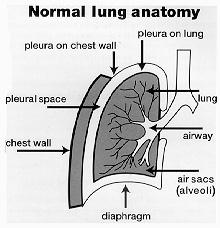
One of the most common symptoms of mesothelioma is a pleural effusion, or an accumulation of fluid between the parietal pleura (the pleura covering the chest wall and diaphragm) and the visceral pleura (the pleura covering the lungs). Both of these membranes are covered with mesothelial cells which, under normal conditions, produce a small amount of fluid that acts as a lubricant between the chest wall and the lung. Any excess fluid is absorbed by blood and lymph vessels maintaining a balance. When too much fluid forms, the result is an effusion.

Types

Pleural effusion is broken down into two categories, transudates and exudates. A transudate is a clear fluid that forms not because the pleural surfaces are diseased, but because of an imbalance between the normal production and removal of the fluid. The most common cause of transudative fluid is congestive heart failure. An exudate, which is often cloudy and contains many cells and proteins, results from disease of the pleura itself, and is common to mesothelioma. To determine whether a fluid is a transudate or exudate, a diagnostic thoracentesis, in which a needle or catheter is used to obtain a fluid sample, may be conducted.

Symptoms

As the volume of fluid increases, shortness of breath, known as "dyspnea", and sometimes pain, ranging from mild to stabbing, may occur. Some patients may experience a dry cough. When the doctor listens to the patient’s chest with a stethoscope, normal breath sounds are muted, and tapping on the chest will reveal dull rather than hollow sounds.

Diagnosis

Diagnosis of pleural effusion is usually accomplished with a simple chest x-ray, although CT scans or ultrasound may also be used. A special x-ray technique, called a lateral decubitus film, may be used to detect smaller effusions or to enable the physician to estimate of the amount of fluid present. If the underlying cause of the effusion is readily apparent (such as in the case of severe congestive heart failure), sampling of the fluid may not be necessary, however, because pleural effusion may be symptomatic of a number of disease processes from benign to malignant, a fluid sample is generally taken. Diagnostic thoracentesis, in which cells are extracted from the pleural cavity, is commonly done when the possibility of mesothelioma exists, however, in up to 85% of cases, the fluid tests negative or inconclusive even though cancer is present. It is ultimately a needle biopsy of the pleura (lining of the lung) or an open surgical biopsy which confirms a mesothelioma diagnosis.

Treatment

Pleural effusion caused by heart failure or infection can usually be resolved by directing treatment at the cause, however, when testing has realized no diagnosis, and fluid continues to build or recur, doctors may recommend chest tube drainage and chemical pleurodesis. Chemical pleurodesis is a technique in which a sclerosing agent is used to abrade the pleural surfaces producing an adhesion between the parietal and visceral pleurae. This will prevent further effusion by eliminating the pleural space. Talc appears to be the most effective agent for pleurodesis, with a success rate of nearly 95%. It is highly effective when administered by either poudrage or slurry. Poudrage is the most widely used method of instilling talc into the pleural space. Before spraying the talc, the medical team removes all pleural fluid to completely collapse the lung. After the talc is administered, they inspect the pleural cavity to be sure the talc has been evenly distributed over the pleural surface. Some doctors prefer to use talc mixed with saline solution which forms a wet slurry that can roll around the pleural cavity.

MESOTHELIOMA'S CAUSE - ASBESTOS EXPOSURE


At some point in our lives, nearly all of us have been exposed to asbestos in the air we breathe and the water we drink; from natural deposits in the earth, and from the deterioration of asbestos products around us. Most of us, however, do not become ill as a result of our exposure. More commonly, those who at some point are diagnosed with asbestos disease, have worked in jobs where more substantial exposure occurred over longer periods of time. Nevertheless, cases of mesothelioma have been documented as the result of lesser exposure, affecting family members of workers who came into contact with asbestos and brought it home on their clothing, skin or hair, or affecting those who lived in close proximity to asbestos manufacturing facilities. Symptoms of asbestos disease usually are not be apparent until decades after exposure.

Asbestos was used commercially in North America as early as the late 1800s, but its use increased dramatically during the World War II era when shipyards produced massive numbers of ships for the war effort. Since that time, asbestos-containing products were used by the construction and building trades, the automotive industry and the manufacturing industry. All told, more than 5,000 products contained asbestos.

For more than 50 years, products containing asbestos remained unregulated, and the manufacturers of those products continued to prosper, knowing full well that many of the millions of workers who came into contact with their products would ultimately suffer as the result of their actions. Finally, in the late 1970s, the Consumer Products Safety Commission banned the use of asbestos in wallboard patching compounds and artificial ash for gas fireplaces because the fiber could easily be released during use. In 1989, the Environmental Protection Agency banned all new use of asbestos, but uses established prior to that time were still allowed. Although awareness of the dangers of asbestos and public concern over the issue have led to a decline in domestic consumption over the years, a total ban on asbestos has not come to fruition. Asbestos is still imported, still used and still dangerous.

Although it is suggested that the number of mesothelioma cases in the U.S. has reached its peak and has begun to drop, a forecast released by the National Cancer Institute's Surveillance, Epidemiology, and End Results Program (SEER), in April, 2003, projected the total number of American male mesothelioma cases from 2003-2054 to be approximately 71,000. This number, however, does not take into consideration events such as the World Trade Center disaster on September 11, 2001, when millions of New Yorkers were potentially exposed to air filled with carcinogenic asbestos particles. The incidence of mesothelioma cases by state and county are shown in these tables. When the latency period for asbestos disease is factored in, cases of mesothelioma will continue to be diagnosed for years to come. See our page on mesothelioma risk factors.

Does exposure to asbestos always cause mesothelioma? No, less than 10% of people with a history of heavy asbestos exposure develop mesothelioma. But 80% of those with pleural mesothelioma have a demonstrated history of asbestos exposure. There is no doubt that exposure to asbestos fibers increases the risk of mesothelioma. This is why you should mention any history of asbestos exposure to a doctor attempting a diagnosis.

Questions Regarding the Risk Level of Asbestos Exposure

Research data has shown that there is a definite correlation between exposure to asbestos particles and asbestos-related diseases, especially for those that are exposed to the fibers in their workplace. Even though data shows a connection between these factors, there is ongoing debate as to just "how much of a risk is present" in environments where asbestos fibers can be found.

Questions have been raised because some of the factors relating to asbestos exposure can vary considerably sometimes making it difficult to define absolute asbestos-related exposure relationships. Some of these variables include asbestos fiber sizes and types, the type of asbestos-related disease, and the duration and level of exposure to the fibers.

Even with the uncertainty, progress has been made in regards to these variables and their effects on human health over the last 25 years. This information may present an issue for regulating authorities and agencies because it may require a deviation from their current opinions on asbestos exposure and its effects on health.

Differing Characteristics of Asbestos Fibers as They Relate to Health Conditions

People that have inhaled asbestos fibers have been shown to develop health conditions such as asbestosis, mesothelioma, and lung cancer. There is confusion as to which asbestos types pose a greater risk of asbestos-related disease and to what degree. Additionally, there are questions regarding which exposure conditions present this risk.

One problem in regards to establishing clear-cut asbestos-related factors may be the use of the term "asbestos", as a catch-all or general term used to represent various asbestos fibers that have different toxic characteristics and tendencies that cause related diseases.

More than 150 studies of asbestos particles has been used to determine the relationship between incidences of asbestos disease and suspected factors; however, this research has had little value in determining level of risk due to limited data on levels of human exposure, fiber types, and other possible contributing factors (i.e. smoking or other lifestyle practices). Other obstacles that contribute to the limitations of this research include the use of many different fiber types or the lack of defining fiber types used in studies.

What is Mesothelioma? What is the difference between pleural mesothelioma and peritoneal mesothelioma?

Malignant mesothelioma is a disease in which a cancerous tumor grows on the mesothelium - the sac lining the internal body cavities. The specific type of mesothelioma is named for the tissue where the cancer started. Pleural mesothelioma starts in the chest, in the pleura that surrounds the lungs (outer lining of the lungs and internal chest wall). It makes up about 70% of mesothelioma cases. Peritoneal mesothelioma starts in the lining of the abdominal cavity.

pleural cavity

Although sometimes referred to as "asbestos lung cancer", mesothelioma is not the same as lung cancer. Lung cancers occur inside the lung itself; mesothelioma occurs in the lining of the lung. Mesothelioma is rare, striking fewer than 3000 Americans per year.

What happens inside the body?
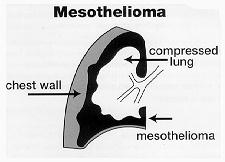
The cancerous cells clump together in a malignant tumor. As it grows, the tumor pushes against and into other organs and healthy tissue, causing symptoms. Because the mesothelium is a flat thin lining, the mesothelioma tumor often takes a diffuse shape.

In its advanced stage the cancer metastasizes through the lymph system and spreads to other parts of the body. It is still referred to as mesothelioma because it started in the mesothelium.

What are the symptoms of mesothelioma?
Our mesothelioma symptoms page goes into detail about the signs of this cancer. It is important to seek professional medical advice when trying to diagnose for mesothelioma because the symptoms can be confused with symptoms of other diseases.

Major symptoms of pleural mesothelioma include:

  • Shortness of breath caused by expanding pleural effusion
  • Persistent dry cough
  • Chest pain

Major symptoms of peritoneal mesothelioma include:

  • Ascites (fluid in the abdomen)
  • Swelling or lumps in the abdomen
  • Abdominal pain

Some patients experience few of the visible symptoms. Formal diagnostic procedures are needed to determine if the cancer is present.

How do you get malignant mesothelioma?
Mesothelioma is caused by asbestos exposure. Asbestos, once regarded as a miracle mineral, was popular due its lightweight but tough characteristics as well as for its heat-resistant properties. This naturally occurring mineral was used in many commercial and consumer products, from construction materials such as cement, roofing shingles and insulation, to consumer and industrial applications such as hair dryers, automobile brake pads and pipe insulation.

Anatomy of the Lung Mesothelioma and how it effects the lung

Most people with malignant mesothelioma worked on jobs where they breathed asbestos. Others were exposed to asbestos in a household environment, often without knowing it.

How much exposure does it take to get the disease? What is the latency period?
Very little exposure can result in mesothelioma. Sometimes people who worked with asbestos for as little as one or two months get mesothelioma. The "latency period" refers to the time between asbestos exposure and diagnosis of the disease. For mesothelioma, the latency period can be decades long, and people exposed in the 1940s, 50s, 60s, and 70s are now being diagnosed.

How do doctors treat malignant mesothelioma?
Each patient has an individualized treatment plan which takes into account the type and stage of the cancer as well as the patient's overall health. Traditional mesothelioma treatments include surgery, chemotherapy, radiation or a combination of these. Contact us at 1-877-367-6376 if you want to talk about reviewing treatment options.

Is there any promising research or are there promising new drugs for mesothelioma?
Scientists and doctors are conducting research at cancer centers all over the United States. Researchers are continually developing new and more effective drugs as well as new surgical and radiotherapy treatment techniques. In the past few years, there have been several major advances in the management of mesothelioma, including more accurate staging, improvements in surgical techniques and postoperative care, new chemotherapy regimens, and new radiotherapy techniques such as intensity-modulated radiation therapy. Some of this research is being conducted through clinical trials on meothelioma patients, for which you may be eligible. Please call us if you need additional information on current trials.

What should I do if I think I've been exposed to asbestos but don't have mesothelioma?
You probably will not get this rare disease, but you should remain vigilant and get regular check-ups. Let your doctor know about your asbestos exposure.

I was exposed to asbestos when I was in the military. Could that be how I got mesothelioma?
The armed forces used asbestos extensively in the 20th Century. Mesothelioma has a long latency period and often does not appear until decades after the patient came into contact with asbestos. Veterans from all branches of the service are now developing malignant mesothelioma. We have worked with veterans from all over the country. We can help you find VA resources and medical assistance. Our veterans section goes into more detail or feel free to call us at 1-877-367-6376.

Where can I find information on living with mesothelioma?
Mesothelioma Aid is a good website for resource for families dealing with mesothelioma. It includes advice and referrals to other resources for coping with cancer, caregiving, financial challenges, and support groups. Alternatively, contact us here at Mesothelioma Web for help finding resources for dealing with this disease and for getting treatment.

How Is Mesothelioma Treated?


Most people who develop mesothelioma have worked on jobs where they inhaled asbestos particles. However, they may have been been exposed to asbestos dust and fibre in other ways. This could include working with asbestos or by home renovation using asbestos cement products or even by washing the clothes of a family member who worked with asbestos. The resulting disease is rare form of cancer in which malignant (cancerous) cells are found in the mesothelium, a protective sac that covers most of the body's internal organs.

Mesothelioma occurs more often in men than in women and risk increases with age, but this disease can appear in either men or women at any age. About 2,000 new cases of mesothelioma are diagnosed in the United States each year. Although reported incidence rates have increased in the past 20 years, mesothelioma is still a relatively rare cancer.

There are various procedures used for the treatment of mesothelioma. The type of treatment depends on the location of the cancer, the stage of the disease, and the patient's age and general health.

A common treatment of the disease is by means of surgery by the removal of part of the lining of the chest or abdomen and some of the tissue around it. For cancer of the pleura, a lung may be removed in an operation called a pneumonectomy. Sometimes part of the diaphragm, the muscle below the lungs that helps with breathing, is also removed.

Another method is Radiation therapy, also called radiotherapy. This involves the use of high-energy rays to kill cancer cells and shrink tumors. Radiation therapy affects the cancer cells only in the treated area. The radiation may come from a machine or from putting materials that produce radiation through thin plastic tubes into the area where the cancer cells are found .

Anticancer drugs can be used to kill cancer cells throughout the body. This is known as chemotherapy and involves the administration of the drugs by injection into a vein (intravenous, or IV). Currently, doctors are also studying the effectiveness of putting chemotherapy directly into the chest or abdomen.

Because mesothelioma is very hard to control, the U.S. National Cancer Institute (NCI) is sponsoring clinical trials that are designed to find new treatments and better ways to use current treatments.

Mesothelioma Fears Raised As San Bruno Fire Releases Asbestos


The recent fires in San Bruno, California, were one of the worst environmental disasters in the area’s history. Although the fires have been extinguished and the smoke has cleared, other potential health hazards still remain. Much of the debris left behind from the ruined homes and businesses contained several toxins. Some of the older structures contained asbestos fibers in the insulation, roofing shingles and ceiling tiles.

Typically, when left undisturbed, asbestos is not hazardous. However, when the loose asbestos fibers become airborne, unprotected bystanders could inhale the carcinogenic fibers. The fibers work their way through the lung sacs and become embedded in the pleural mesothelium, a band of tissue around the lungs. These fibers alter the genetic structure of the mesothelial cells over time, causing them to mutate into a deadly form of cancer known as mesothelioma.

City, county and state health officials have expressed concern that some of the smoke from the fires may have contained asbestos. Although firefighters usually wear protective clothes and breathing masks to prevent exposure to the deadly fibers, homeowners and other workers in the area may have been inadvertently exposed to the asbestos-laced smoke. Also, with many of the homeowners returning to their properties, the risk increases that they would be exposed to the asbestos left behind in the debris.

Dean Peterson, director of the San Mateo County Environmental Health Services Division, said that the debris and dust left behind from the fires “could be a hazard.” He also said that it would be impossible for environmental safety workers "to do 100 percent containment of the dust." He advised families in the area not to handle the debris, although he gave assurances that the contamination "won’t be a serious health hazard" for homeowners whose properties were far from the affected areas.

Don Johnson, an official with the local office of the US Environmental Protection Agency (EPA), said that an inspection of the fire site found less asbestos than investigators first expected. He said that several of the older homes that had used asbestos-laced insulation had undergone remodeling and had the toxic substance removed. However, the EPA tests also showed that asbestos was still present in some structures.

Another issue facing residents is the potential for seasonal rains to carry the asbestos and other harmful substances into the local groundwater supply. Officials with the San Mateo County health department have removed several large drums of toxic waste from the area affected by the fires and have piled sandbags around storm drains. The storm drains carry excess water into San Bruno Creek, which drains into nearby San Francisco Bay.

Instead of taking samples of the dust to determine the level of contamination, workers will clear all of the debris as soon as possible. Heavy rains are expected in the area starting in mid-October, so government officials are working to get the area cleared in the upcoming weeks. Workers are also wetting down the debris to prevent seasonal wind gusts from carrying the dust further from the original burn site.